The 10th National Congress of the Spanish Technical Association of Ports and Coasts (ATPYC) was held from 6 to 8 October at the Alfredo Kraus Auditorium in Las Palmas de Gran Canaria. This year’s theme was “Challenges, Resilience and Sustainability: The New Paradigm of Maritime Infrastructure”. The Congress is one of the leading events for the port and coastal sector in Spain.
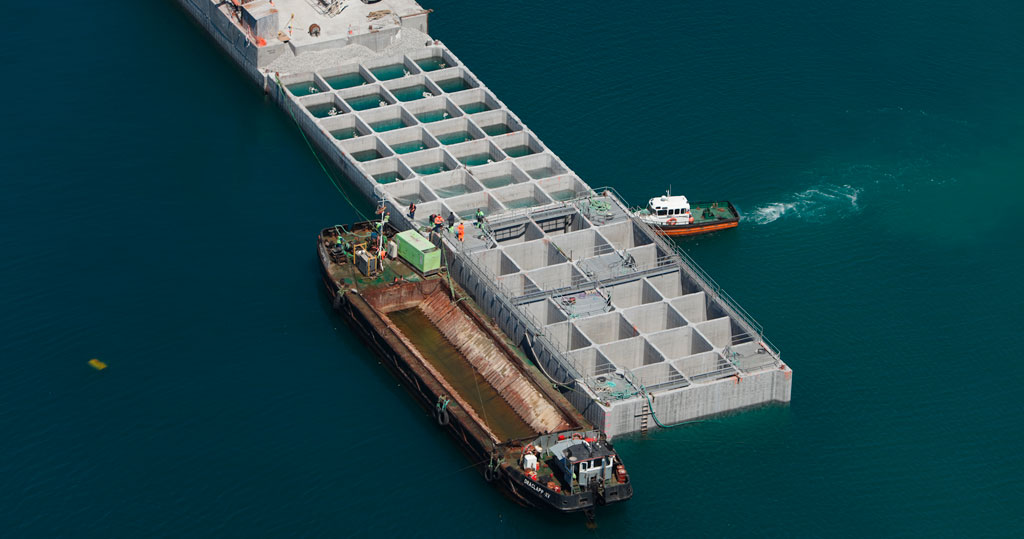
TYPSA took part with the presentation “Carbon footprint: caissons vs. piles. A real-life case study”, presented by Iñaki Navarro and Ruth Revilla. Drawing on a real project, the study compared the carbon impact of two common structural quay solutions: concrete caissons and piled structures.
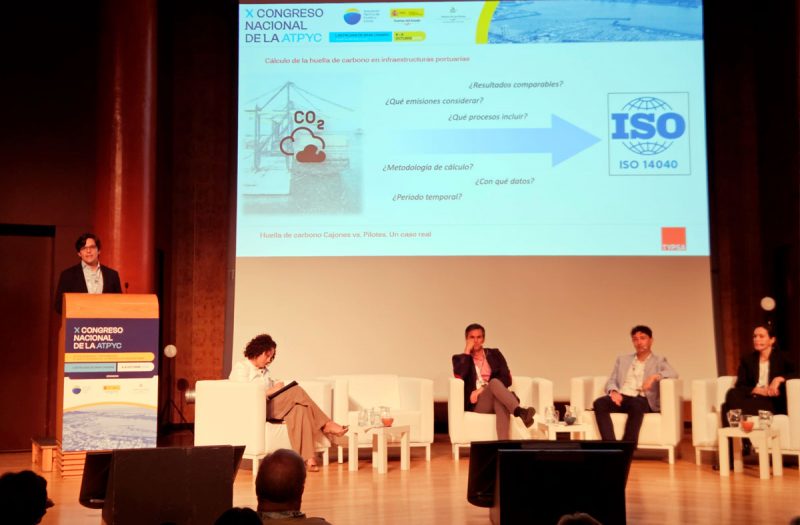
The study was supported by the BIM 6D methodology, which builds environmental information into the design model and makes it possible to quantify the carbon footprint of each option. The presentation showed how this comparison can help choose the structural type from the earliest design stages. It also set out the real limitations involved and opened a debate on whether the carbon footprint should be used as the sole selection criterion.
The audience responded very positively to the presentation, as a current issue was addressed, the application of which requires an adequate analysis of the specifics of each design. The work evidenced TYPSA’s commitment to more sustainable maritime engineering.
This initiative is part of TYPSA´s sustainability commitments and is aligned with the United Nations Sustainable Development Goals (SDG) 9 “Industry, Innovation and Infrastructure”; 12 “Responsible Consumption and Production”; and 13 “Climate action”.