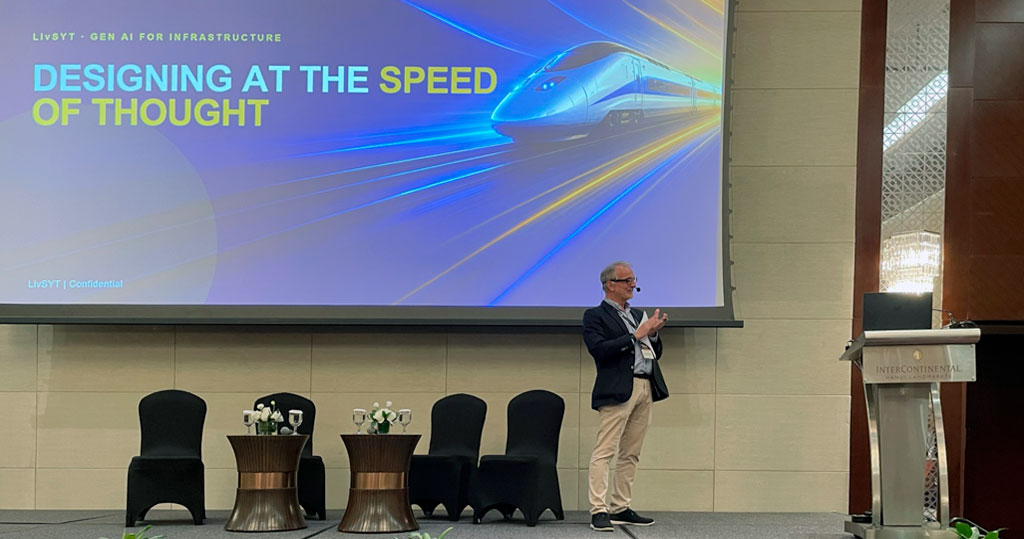
The High Speed Rail Asia 2026 conference has established itself as one of the leading forums for analysing the development of high-speed rail networks in Asia. The event brought together industry leaders, engineers, operators and transport policy-makers to discuss the challenges and opportunities that will shape the future of rail mobility, addressing technological, operational and sustainability-related issues.
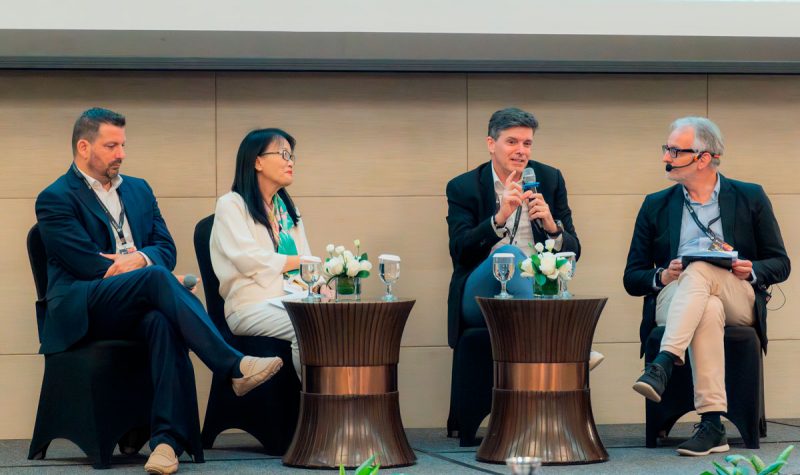
TYPSA played a prominent role at this year’s event thanks to the participation of Aitor Ezquerra, Head of the Railway Engineering Division, who chaired the second session of the conference and moderated the panel “What’s next? A Vision for HSR”. The discussion focused on the trends that will shape the development of high-speed rail in the coming years.
During the panel discussion, some of the main challenges facing the sector were addressed. Among these, the need to drive digitalisation and technological innovation stood out, in order to develop infrastructure that is increasingly efficient, resilient and adapted to the demands of constantly evolving transport. The role of sustainability was also highlighted as one of the fundamental pillars for the development of future rail projects, promoting solutions that contribute to reducing emissions and managing resources more efficiently.
Another topic discussed was the contribution of high-speed rail to regional development and improved connectivity between regions. Beyond reducing journey times, high-speed rail networks act as drivers of economic growth and social cohesion, fostering the integration of urban areas and helping to create more accessible and connected environments.
Aitor Ezquerra’s participation highlights TYPSA’s commitment to developing innovative and sustainable railway solutions. The company continues to contribute to high-speed projects in various international markets, bringing its expertise in the planning, design and supervision of complex infrastructure. Digitalisation, sustainability and regional integration are some of the key themes shaping the sector’s evolution and form part of TYPSA’s vision for the mobility of the future.
The conference highlighted the strong momentum currently driving the sector, fuelled by the need to develop increasingly efficient, sustainable and connected transport systems. High-speed rail continues to establish itself as a key tool for improving mobility between regions and fostering economic and social development. In this context, collaboration between public authorities, operators and engineering firms will be essential to tackle the challenges that will shape the future of rail transport.