Leaky plans
Just as the blackout of 28th April 2025 exposed the fragility of an electricity system we assumed was resilient, the floods in Valencia (DANA) of 29th October 2024 and the risk of water cuts in Barcelona and Malaga in the summer of 2023 have shown us that Spain´s water security is far from assured.
Even less certain is the guarantee in the Mediterranean basins, with its irregular rainfall and high water consumption for irrigation, and in particular the case of the Segura, where water planning recognises a resource deficit that cannot be resolved, even with transfers from the Tagus.
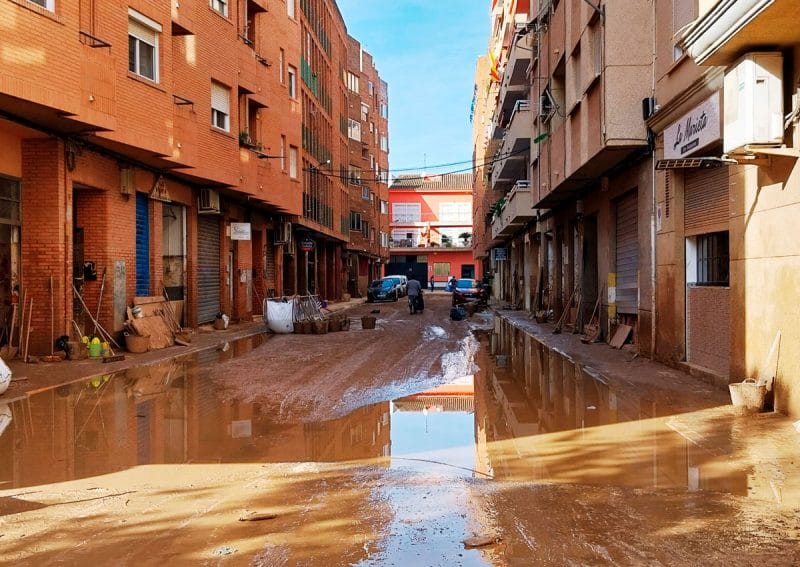
As for flooding, the most serious situations also occur in Mediterranean basins, such as those we unfortunately suffered in Valencia, where torrential weather, river gradients and the occupation of riverbeds are a catastrophic combination. However, even in inland Spain, the lack of regulation of riverbeds and inadequate urban drainage mean that rainfall with a low or medium return period can cause serious problems, as happened, for example, in Madrid in May 2025.
Our cities still discharge water without adequate treatment, and agriculture and livestock farming pollute aquifers. We are facing various infringement proceedings for non-compliance with EU regulations, and barely half of our water bodies meet the good status required by the Water Framework Directive.
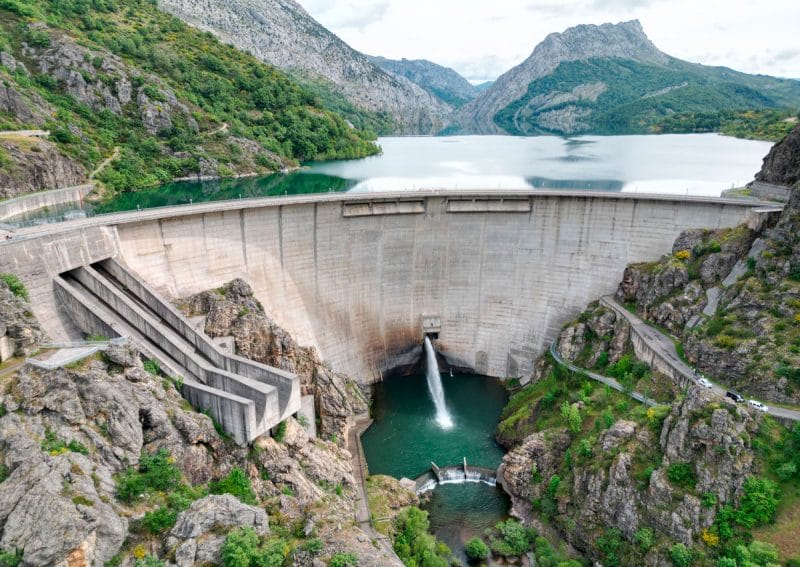
To alleviate these problems, a major investment effort would be required, which would also need to be increased due to factors such as infrastructure degradation or the need for renovation due to new safety and environmental requirements. Suffice it to say that three-quarters of Spain’s large dams are over fifty years old and that the renewal periods for supply and sanitation pipes in urban networks are estimated to be centuries. This lack of water security is greatly exacerbated by climate change, which not only leads to lower average water availability but also increases the intensity and frequency of floods and droughts.
Hydrological planning has caught up on its backlog, and, in recent years, hydrological plans and flood and drought risk management plans have been approved, with a target date of the end of 2027. These plans envisage a total investment of more than €37 billion, which would mean an annual investment of around €6.2 billion. Recently, SEOPAN and TYPSA, in their report “Strategy and investments for water efficiency and resilience in Spain” (November 2025), have updated these requirements and estimate that around €10.4 billion per year would be necessary. Taking into account Spain’s weight in European GDP (around 9%) and its climatic complexity, these figures are consistent with the European Commission’s “European Water Resilience Strategy” (June 2025), which estimates that an annual investment of €78 billion is needed for the Union as a whole.
Despite these needs, the lack of budgetary availability and efficiency in the approval and contracting of projects and works by all administrations has led to very low levels of implementation of the planned measures. In fact, if the current pace of implementation continues, only €8 billion of the €37 billion that the water plans envisaged investing by 2027 will materialise.
A more ambitious and effective approach is essential. Not only is greater budgetary effort necessary, but this must be accompanied by profound legal and institutional reforms that require broad political consensus. Without such agreement, planning will be useless and water security cannot be guaranteed. Good intentions, never better said, will be worthless. Good intentions, quite literally, will just leak away.